



















Senator Sogbie Flags Escalating Land Disputes Nationwide, Seeks LLA Appearance Before Senate Plenary

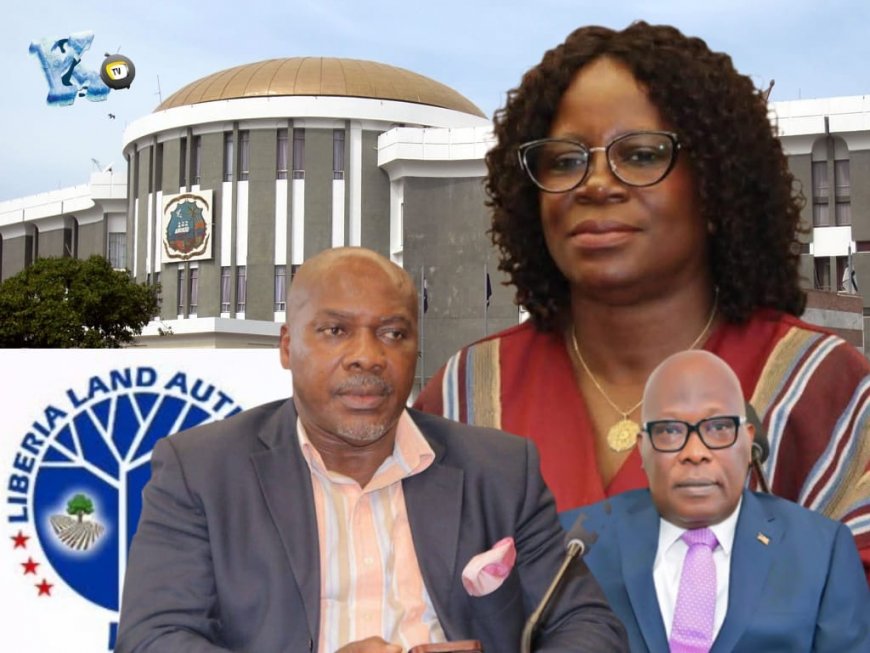
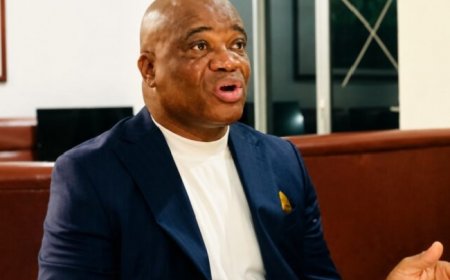
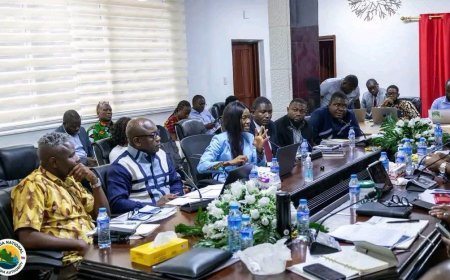
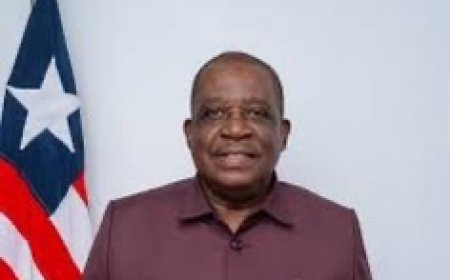
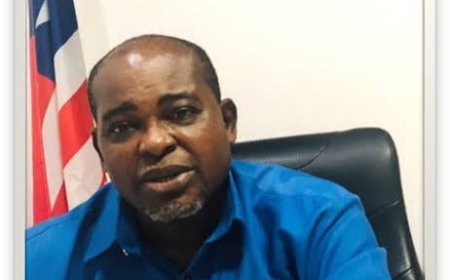
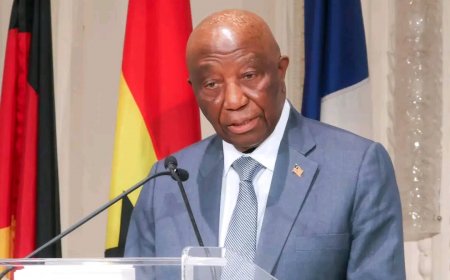
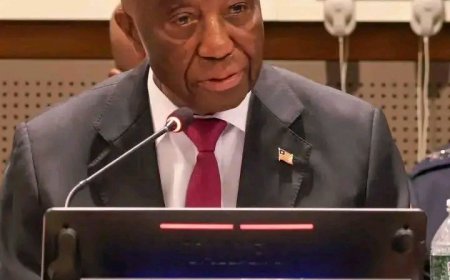
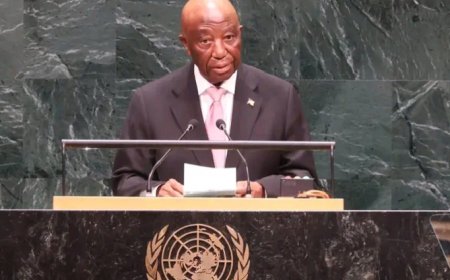
CAPITOL HILL, MONROVIA: River Gee County Senator Jonathan Boycharles Sogbie has called on the Liberian Senate to summon the Liberia Land Authority (LAA) to provide a comprehensive explanation regarding what he describes as an escalating wave of land disputes nationwide, warning that land acquisitions and reacquisitions undertaken without adequate institutional oversight are heightening community tensions, eroding statutory protections, and revealing structural vulnerabilities within Liberia’s land governance framework.
In a written communication addressed to Senate President Pro Tempore Nyonblee Karnga-Lawrence and read during plenary on Tuesday, March 3, 2026, Senator Sogbie stated, “With compliments, I write to apprised this August Body of the alarming wave of land dispute in the country,” adding that “there are increasing reports of conflicts arising from the acquisition and reacquisition of land without the proper involvement or input of the Liberia Land Authority (LLA).”
He emphasized that these developments raise “serious concerns about the processes being followed, the role of the institution in such transactions, and the effectiveness of existing land governance mechanisms.”
The Liberian former Lone Star Player turned senator further cautioned that the current trajectory presents national security implications, noting in his communication that “the rising wave of violence, and growing tensions in various communities pose a serious threat to peace and stability of the nation,” while urging that “if urgent actions are not taken, this situation may further degenerate.”
He therefore requested that the Senate “invite the Liberia Land Authority (LLA) to appear before this August Body to explain what is unfolding in this regard and how we can be of help.”
Senator Sogbie’s concerns surface at a time when Liberia’s land governance framework, anchored by the 2018 Land Rights Act, is navigating a complex transition from post-war restitution toward legal formalization and institutional enforcement.
Although the law established clear recognition of private, public, customary, and government land categories, the 2026 environment reflects a widening implementation gap between statutory provisions and practical enforcement, particularly in communities where documentation irregularities and overlapping claims continue to generate conflict.
As of January 1, 2026, the Liberia Land Authority began enforcing a mandatory standardized digital deed template to curb duplicate titles and fraudulent transfers that have long fueled urban land disputes. However, legacy record conflicts and limited technical capacity in several counties have slowed implementation, intensifying pressure in areas already burdened by contested ownership claims.
Beyond urban disputes, the Authority is facilitating Participatory Land Use Plans in several rural counties to help clans secure customary titles under Articles 37 and 38 of the Land Rights Act, thereby expanding formal recognition of community land rights.
However, concession-related tensions involving foreign palm oil and mining operations, coupled with increased reliance on Free, Prior, and Informed Consent provisions by affected communities, have intensified scrutiny of land allocations and heightened expectations for transparent oversight.
Urban settlements in Monrovia remain a parallel flashpoint, where decades-old emergency shelters have hardened into multigenerational squatter communities occupying public or privately concessioned land without formal deeds, creating structural insecurity for residents and enforcement dilemmas for authorities.
Meanwhile, legislative proposals seeking to amend Article 24 of the Land Rights Law to address absentee landowners and long-term occupants illustrate ongoing policy debates, even as budgetary constraints, reliance on international donor funding, and weaknesses within the judicial system continue to undermine consistent and timely adjudication of land cases.
Senator Sogbie asserted that “the Senate’s timely intervention will help save lives, protect property, and strengthen national stability,” reinforcing his position that legislative oversight remains essential as Liberia confronts a modern land crisis defined not by absence of law but by fragile institutional execution.
What's Your Reaction?
 Like
0
Like
0
 Dislike
0
Dislike
0
 Love
0
Love
0
 Funny
0
Funny
0
 Angry
0
Angry
0
 Sad
0
Sad
0
 Wow
0
Wow
0