















Aid Cuts, Poverty Concerns Dominate Talks Between UN Agencies, INGOs and ActionAid Chief in Liberia

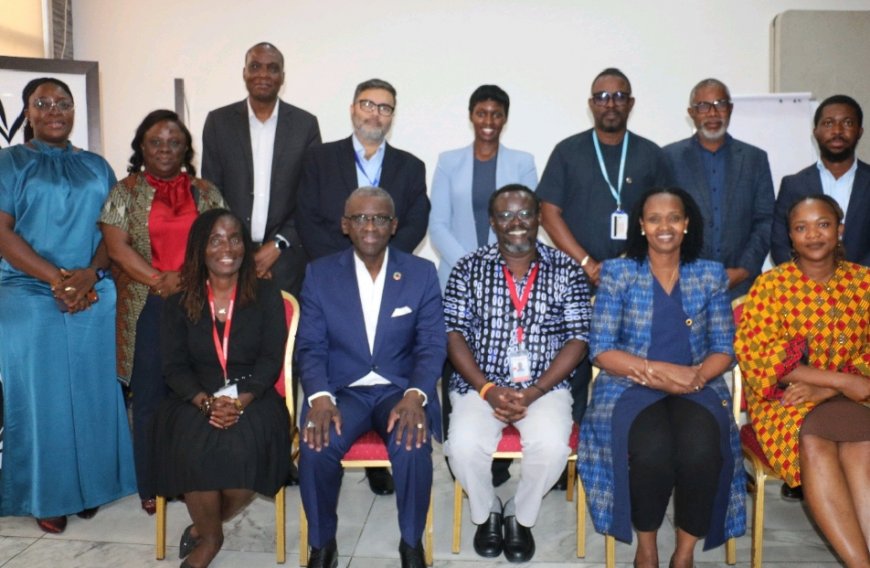
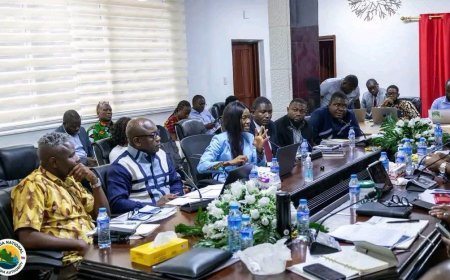
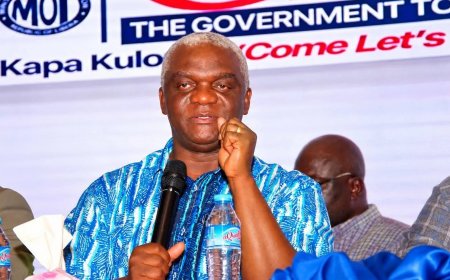
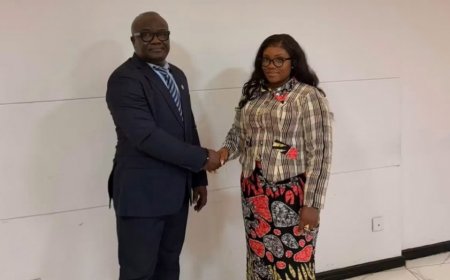
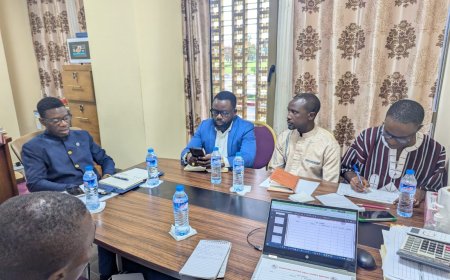
Monrovia, Liberia:Growing concerns over declining international aid, persistent poverty and the future of development programs in Liberia dominated discussions Wednesday as ActionAid International Secretary General Arthur Larok met with representatives of United Nations agencies and international non-governmental organizations during a high-level dialogue in Monrovia.
The meeting, held as part of Larok’s official visit to Liberia, brought together development partners to examine the challenges confronting humanitarian and development organizations amid a changing global funding environment. Participants also explored strategies for maintaining critical services for vulnerable populations despite increasing financial pressures.
Addressing the gathering, Larok warned that civil society organizations across the world are facing mounting difficulties as donor support continues to shrink while humanitarian needs expand.
He pointed to widening inequality, climate-related crises and growing competition for limited development resources as factors threatening progress made in many developing countries.
"We are operating in a period where development financing is becoming increasingly uncertain while the needs of communities continue to rise," Larok said. "This requires stronger partnerships and collective action to ensure that vulnerable people are not left behind."
Several participants noted that funding reductions are already affecting the operations of organizations working in Liberia, forcing many institutions to rethink how they deliver services.
Some development actors argued that collaboration has become essential for survival as organizations seek to maximize limited resources.
Glynnis Cummings-John, Country Director of Catholic Relief Services, said cooperation among organizations has helped sustain development efforts despite financial constraints. "One of the things that has helped us continue our work despite declining donor resources is collaboration," she said. "Organizations have found ways to share resources and achieve greater impact by working together rather than duplicating efforts."
Representing the United Nations Resident Coordinator, Christine N. Umutoni stressed the need for stronger alliances between the UN and civil society organizations to address long-standing development challenges. "Development cannot depend on external aid forever," she said. "We must continue asking difficult questions about poverty and inequality while focusing on solutions that are driven by communities themselves."
Concerns were also raised about the impact of funding cuts on health and social protection programs. Dr. Mady Biaye, Resident Representative of the United Nations Population Fund (UNFPA), cautioned that reductions in donor support could have serious consequences for women and vulnerable groups. "With ongoing funding cuts, the consequences can be severe," he said. "Stockouts of essential health commodities have enormous implications for women and communities."
The dialogue further highlighted challenges facing women's rights and gender equality initiatives. Medica Liberia Country Director Cllr. Yah Parwon said organizations advocating for women's rights are increasingly operating under financial and political pressure. "Reproductive rights are under attack and feminist movements are under pressure," she said. "These are areas where ActionAid has demonstrated leadership and must continue to play a strong role."
The discussions ended with participants reaffirming their commitment to strengthening cooperation and finding innovative ways to sustain development programs. Larok, whose visit to Liberia runs through June 19, is expected to hold additional meetings with government officials, civil society actors and local communities as stakeholders seek solutions to the country's pressing development challenges in an era of shrinking global aid.
What's Your Reaction?
 Like
0
Like
0
 Dislike
0
Dislike
0
 Love
0
Love
0
 Funny
0
Funny
0
 Angry
0
Angry
0
 Sad
0
Sad
0
 Wow
0
Wow
0