









Can Liberia Afford to Ignore Technical Education? House Concludes Debate on Bong Mines Institute Bill
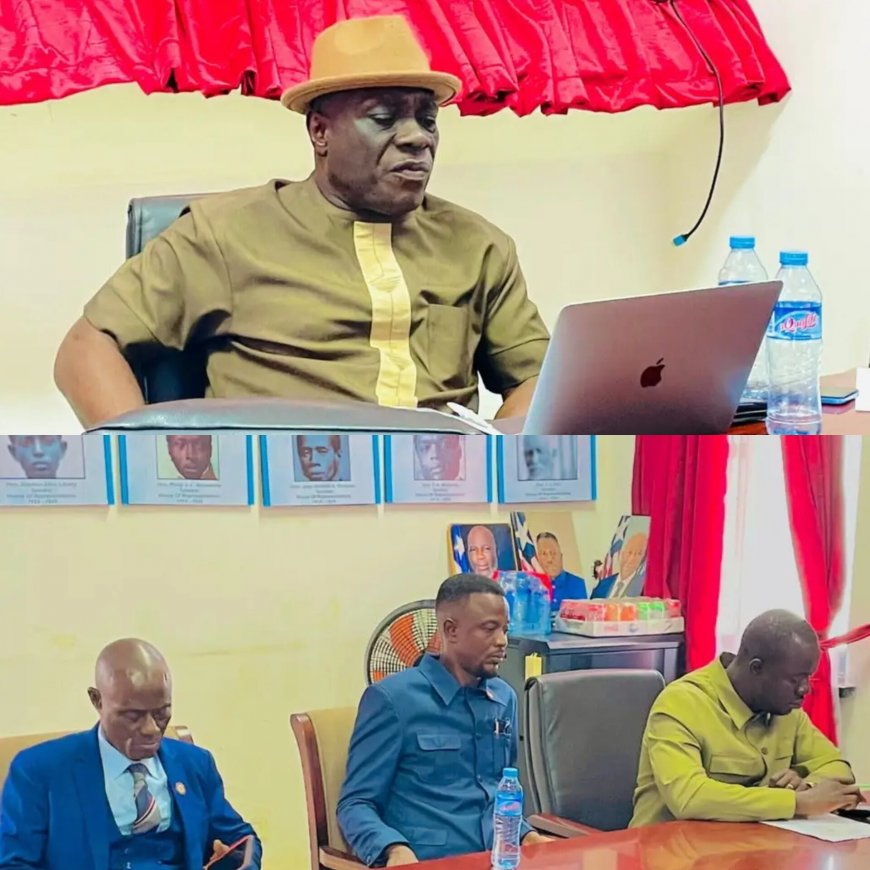
Capitol Hill, Liberia:The House Committee on Education and Public Administration has concluded a day-long stakeholders' engagement on a proposed bill seeking to establish the Bong Mines Vocational and Technical Institute, with education experts and lawmakers arguing that the institution could help tackle Liberia's growing youth unemployment and skills shortage.
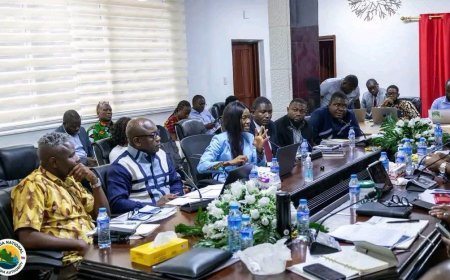
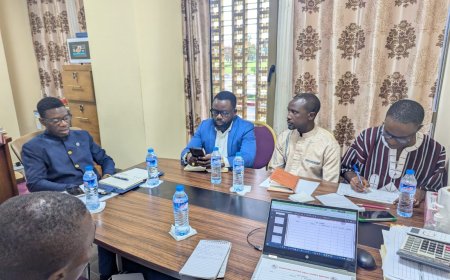
The engagement, held Wednesday at the Capitol Building, brought together representatives of government institutions, education authorities, development partners, civil society organizations, and other stakeholders to scrutinize the proposed legislation before it is forwarded to the full House for consideration.
Committee Chairman and Representative for Nimba County Electoral District #2, Nyahn G. Flomo, assured participants that every recommendation and concern raised during the consultation would be carefully reviewed before the committee submits its report to Plenary. He described the discussions as constructive and encouraged stakeholders to continue providing input.
Representative Flomo stressed that the committee remains focused on examining the bill's legal framework, governance structure, financial sustainability, academic relevance, and long-term viability. He urged participants to express their views freely and objectively, whether in support of the proposal or in opposition to specific provisions.
The bill's sponsor, Bong County Electoral District #7 Representative Foday E. Fahnbulleh, said the legislation seeks to restore the legacy of technical and vocational education once associated with the Bong Mines community. "The former Vocational Training Center trained hundreds of young Liberians before the civil war, producing skilled manpower that contributed to national development," he said.
Representative Fahnbulleh argued that reviving the institution would reconnect government, skilled Liberian professionals, and the China Union concession while creating opportunities for young people to acquire practical, market-driven, and industry-relevant skills. He maintained that the institute would also reduce Liberia's reliance on foreign technicians by producing more qualified local professionals.
Supporting the proposal, Fiamah District Education Officer Josiah B. Kollie disclosed that only about ten percent of more than 200 high school graduates produced annually in the district proceed to university. "The institute will provide an alternative pathway for hundreds of young people who currently have no access to higher education or employable vocational skills," he said.
Meanwhile, Deputy Executive Director for International Programs, TVET and Scholarships at the National Commission on Higher Education, Moses M. Kesselly, urged lawmakers to clearly define the institute's academic mandate, admission requirements, certification levels, and regulatory framework.
He warned that stronger legal clarity would prevent future jurisdictional conflicts among education regulators while ensuring graduates receive nationally recognized qualifications.
Despite raising technical concerns, both Kesselly and Kollie agreed that the proposed institute would fill a critical gap in technical and vocational education, benefiting Bong County as well as neighboring Gbarpolu, Lofa, and parts of Montserrado County.
What's Your Reaction?
 Like
0
Like
0
 Dislike
0
Dislike
0
 Love
0
Love
0
 Funny
0
Funny
0
 Angry
0
Angry
0
 Sad
0
Sad
0
 Wow
0
Wow
0