











“Low Female Representation in Legislature Is Failing Liberian Women” — ActionAid Liberia Links High Sanitary Pad Prices to Gender Gap in Leadership

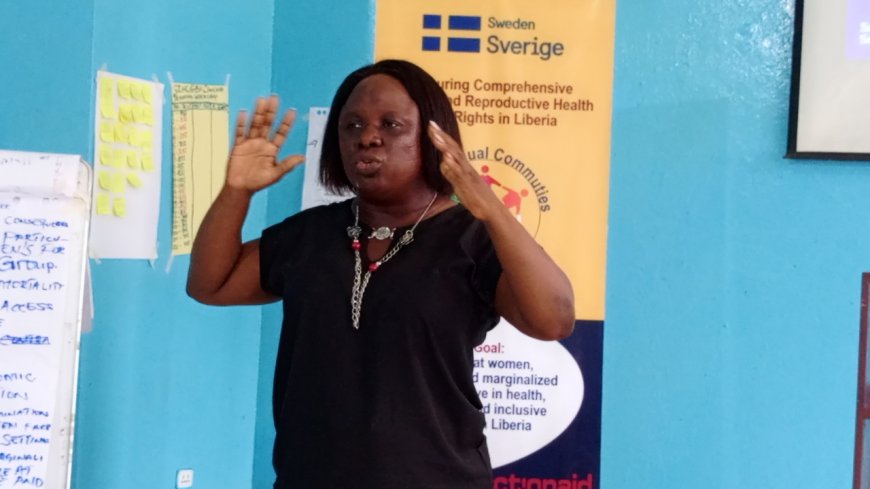
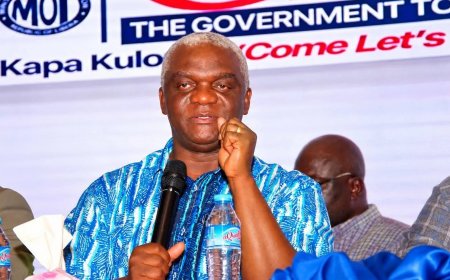
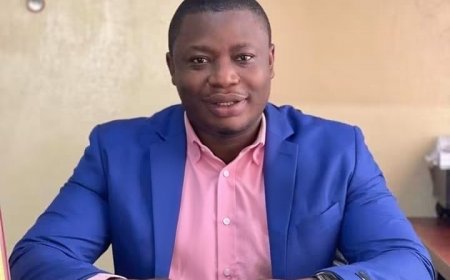
Monrovia, Liberia:“One of the major reasons women’s issues continue to receive little attention in Liberia is because there are not enough women in the legislature to push these issues with the urgency they deserve,” declared Markonee Knightley as ActionAid Liberia, in partnership with Liberia’s Ministry of Health, continued a nationwide training on Sexual and Reproductive Health and Rights (SRHR) and Sexual and Gender-Based Violence (SGBV).
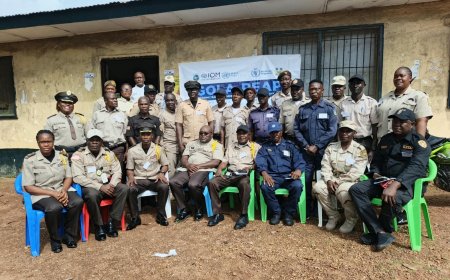
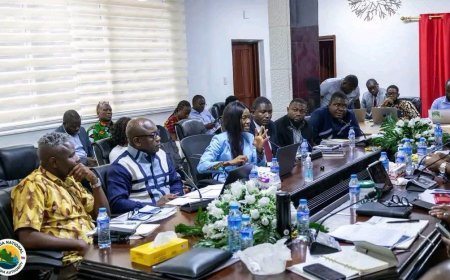
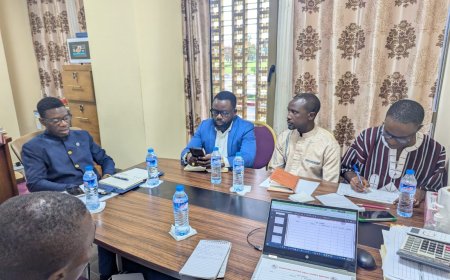
Knightley made the statement Thursday while addressing participants on the third day of the ongoing six-day training, where healthcare workers, investigators, Women and Children Protection officers, and police personnel are being equipped with skills in the clinical management of SGBV cases and survivor-centered care.
Speaking at the Young Women's Christian Association in Monrovia, Knightley said the growing struggle women and girls face in accessing sanitary pads, reproductive healthcare, and other basic support services is directly connected to the limited number of women occupying decision-making positions in national leadership.
“When women are not adequately represented where laws are made, the issues affecting women and girls are often pushed aside, delayed, or treated as less important,” Knightley said. “That is exactly why critical concerns like menstrual hygiene, survivor protection, and reproductive health continue to face serious neglect.”
She stressed that the rising cost of sanitary pads across Liberia is not merely an economic issue but a policy failure, arguing that stronger female representation in the national legislature could have created greater pressure for interventions, subsidies, or legislation aimed at protecting women’s dignity and health.
“If more women were sitting in those legislative seats, conversations around sanitary pad affordability, protection for survivors of violence, and access to reproductive healthcare would not be struggling for attention,” Knightley emphasized. “Women understand these realities because they live them.”
Knightley further disclosed that the proposed Women and Children Protection legislation before Liberia’s House of Representatives has yet to receive the level of attention it deserves, something she believes reflects the broader gender imbalance in national policymaking.
Meanwhile, the training being conducted by ActionAid Liberia and the Ministry of Health is focused on strengthening the capacity of frontline responders to deliver rights-based, inclusive, and gender-sensitive SRHR and SGBV services in Bong County, Margibi County, Montserrado County, Gbarpolu County, and Grand Gedeh County.
As Liberia prepares for World Menstrual Hygiene Day, Knightley called on policymakers, development partners, and citizens to support greater female political participation, strengthen protection systems for survivors of abuse, and ensure that no Liberian woman or girl is denied dignity, justice, or healthcare because her voice is missing where national decisions are made.
What's Your Reaction?
 Like
0
Like
0
 Dislike
0
Dislike
0
 Love
0
Love
0
 Funny
0
Funny
0
 Angry
0
Angry
0
 Sad
0
Sad
0
 Wow
0
Wow
0