









































Deadly Virus Scare Hits Atlantic Cruise Ship as Hantavirus Claims Lives

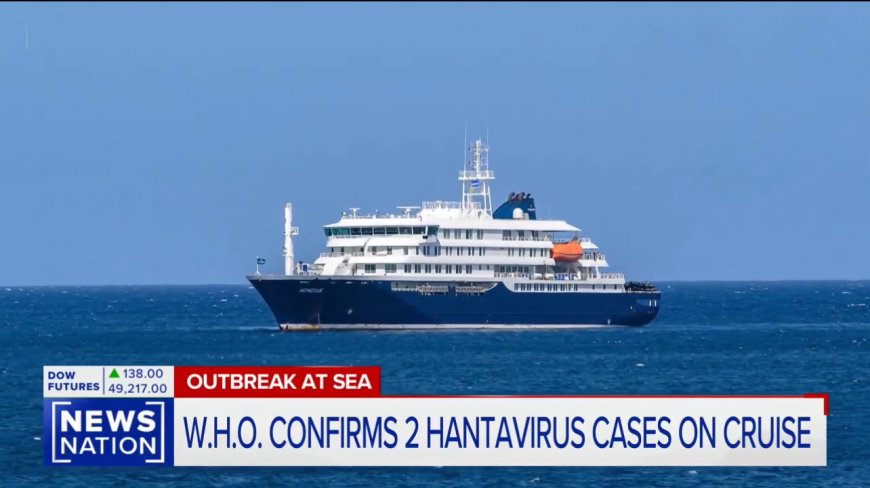
International News: International health authorities are investigating a suspected outbreak of the rare but deadly Hantavirus aboard a cruise ship traveling across the Atlantic Ocean, after reports confirmed that at least three people have died from the disease.
According to reports from the World Health Organization, BBC, CBS News, and the Associated Press, the outbreak occurred on the cruise vessel identified as the MV Hondius, which was carrying approximately 150 passengers and crew members during its voyage.
Health officials say passengers onboard began experiencing flu-like symptoms, including fever, severe weakness, and breathing complications. Laboratory testing has already confirmed at least one case of Hantavirus, while several other suspected infections are still being examined.
Hantavirus is a serious disease commonly transmitted through contact with infected rodents such as rats and mice. Medical experts explain that people can become infected after inhaling air contaminated by rodent urine, saliva, or droppings. Unlike many viral outbreaks, the disease is not known to spread easily between humans, making contaminated environments the primary concern.
Authorities say the virus can rapidly develop into a dangerous respiratory illness known as Hantavirus Pulmonary Syndrome, a condition that severely attacks the lungs and can become fatal without urgent medical treatment.
Reports indicate that two of the victims were passengers from the Netherlands and Germany, while another critically ill patient was airlifted to South Africa for advanced medical care.
As containment efforts continue, some ports have reportedly denied the ship permission to dock. Investigators are now working to determine whether the infections originated before passengers boarded the vessel or occurred during the journey.
Despite growing concern surrounding the outbreak, officials from the World Health Organization maintain that the overall threat to the wider public remains low as monitoring and response measures intensify.
What's Your Reaction?
 Like
0
Like
0
 Dislike
0
Dislike
0
 Love
0
Love
0
 Funny
0
Funny
0
 Angry
0
Angry
0
 Sad
4
Sad
4
 Wow
0
Wow
0