


































HIV Cases Jump to 36,000 as Women Make Up Two-Thirds of Infections
36000 Liberians living with HIV/Aids, HIV Cases Surge to 36,000 in Liberia, Women Account for Two-Thirds of Cases
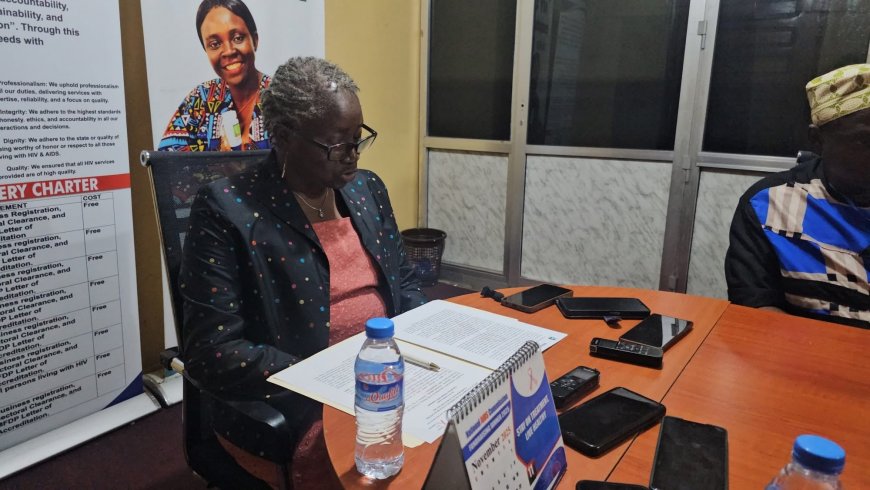
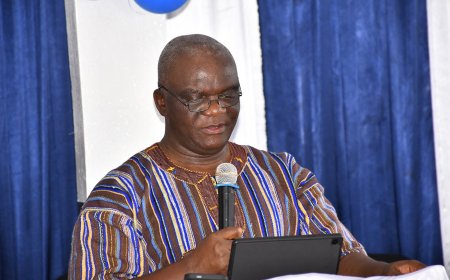
Monrovia, Liberia: The National AIDS Commission has issued a chilling warning as Liberia approaches the 2025 World AIDS Day. Launching nationwide activities under the global theme “Overcoming Disruption, Transforming the AIDS Response,” NAC Chairperson Dr. Cecelia J. Nuta revealed a troubling spike in HIV cases and urged the government to urgently take ownership of the national fight.
Speaking at the official launch on Thursday, November 20, Dr. Nuta stressed that Liberia’s progress is at risk of reversing.
“Sustaining the gains we have made is only possible when we take full responsibility for our health,” she cautioned.
Fresh data from the UNAIDS Spectrum paints an alarming picture: 36,000 Liberians are currently living with HIV, a rise from 34,000 in 2024, signaling persistent gaps in prevention, awareness, and access to treatment.
Even more frightening is the overwhelming impact on women.
Dr. Nuta described the epidemic as “a silent attack on Liberian women,” revealing that women account for nearly two-thirds of all HIV cases in the country. Prevalence among women aged 15–49 now stands at 1.2%, double the 0.6% recorded among men. This translates to 24,000 women currently living with the virus.
Health experts say this gender gap is driven by biological vulnerabilities, social pressures, economic hardship, and limited access to crucial sexual and reproductive health services. Gender-based violence and poverty continue to make women disproportionately exposed to infection.
Dr. Nuta warned that Liberia cannot continue depending on donors.
“If we are to protect our citizens especially women we must rebuild a nationally owned, gender-sensitive response,” she said.
The Commission is calling for increased domestic funding, stronger community participation, and scaled-up investments in prevention and treatment services. While testing and awareness campaigns have helped, Liberia’s HIV response remains heavily donor-reliant an approach experts describe as unsustainable and dangerous.
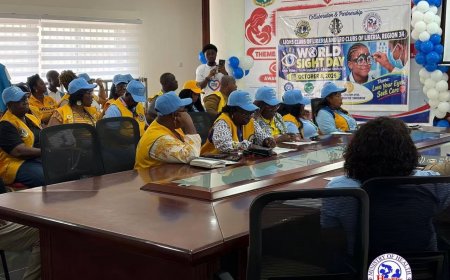
As part of activities leading to World AIDS Day on December 1, NAC plans a series of nationwide engagements, including mobile testing, community dialogues, media awareness programs, and youth-focused outreach.
With rising infections and women carrying the greatest burden, Dr. Nuta issued a final warning:
“The time for small steps is over. Liberia must mobilize, unite, and act boldly to turn the tide against HIV.”
What's Your Reaction?
 Like
0
Like
0
 Dislike
0
Dislike
0
 Love
0
Love
0
 Funny
0
Funny
0
 Angry
0
Angry
0
 Sad
0
Sad
0
 Wow
0
Wow
0