





“YOU DON’T HAVE TO TOUCH THE DRUGS TO BE GUILTY!” — EPS BOSS SAM GAYE FIRES WARNING IN JEWEL CASE

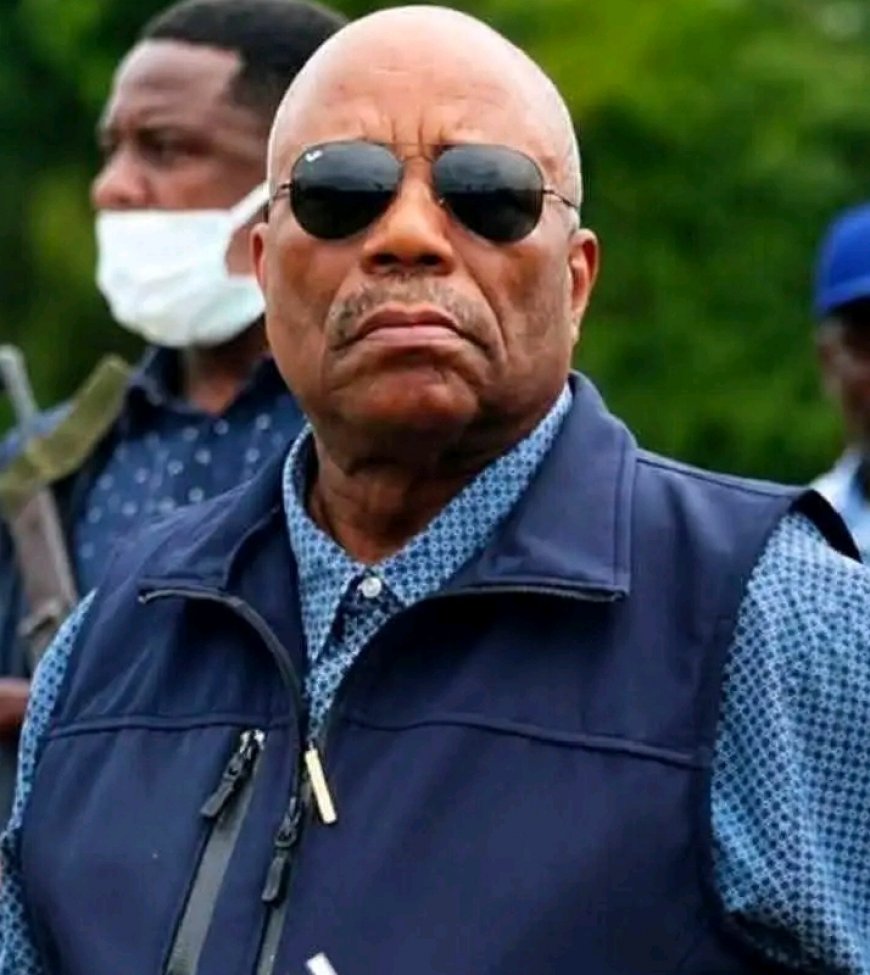
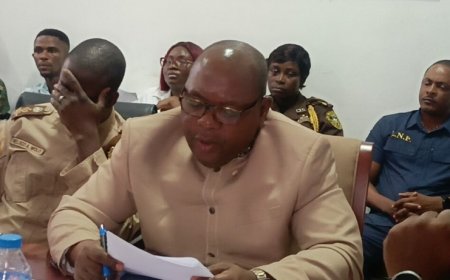
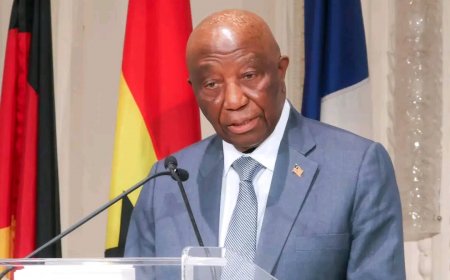
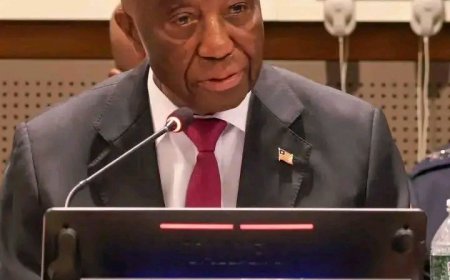
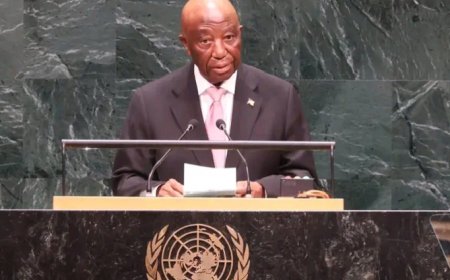
Montserrado County:Executive Protection Service (EPS) Director Sam Gaye has entered the heated debate surrounding the indictment of former Vice President Jewel Howard-Taylor, warning Liberians against assuming that a person must physically possess, touch or transport narcotics before they can be held criminally responsible for drug-related offenses.
Gaye, in a fresh statement, said public understanding of drug-trafficking laws remains limited, arguing that the law can reach individuals who allegedly participate in or facilitate a trafficking operation without personally handling the drugs.
“The public is very uninformed about drug trafficking laws. You don’t need to directly touch, see, or move the actual drugs to be guilty of drug trafficking crimes and related offenses,” Gaye said.
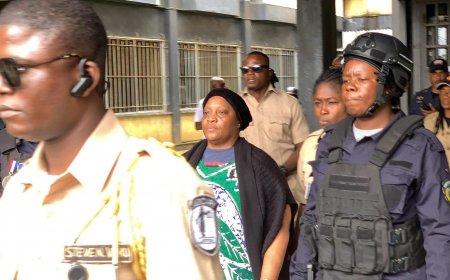
His comments come amid intense public debate over the government's case against Howard-Taylor, who has been charged with illicit drug importation, transportation and trafficking, as well as criminal solicitation, facilitation, conspiracy and money laundering. The government says the charges are based on evidence presented by a joint national security investigative team.
Gaye argued that drug laws are deliberately designed to go beyond the individual physically carrying narcotics, particularly where investigators allege the existence of organized networks involving financiers, facilitators, transporters and other actors.
“Drug laws are one of the powerful tools created by lawmakers around the world to dismantle drug cartels,” he stated.
The EPS Director pointed specifically to the United States, saying American authorities have used stringent laws to prosecute foreign-based narcotics organizations where prosecutors can establish the required elements of an offense.
“For example, the United States uses a very stringent extraterritorial law to bring foreign-based drug cartels to justice in the U.S. All that is required is ‘knowledge and intent’ that the drugs would be imported into the United States,” Gaye said.
His intervention adds another layer to an increasingly controversial national debate over whether the government's prosecution should focus only on people allegedly found with the cocaine or extend to individuals investigators believe may have knowingly facilitated, coordinated or conspired in the alleged trafficking operation.
Liberian law does recognize offenses such as criminal facilitation, solicitation and conspiracy, with the Penal Law providing circumstances under which a person may be criminally responsible for intentionally aiding or facilitating another person's felony.
The government has meanwhile maintained that the Howard-Taylor case is part of a broader effort to dismantle an alleged transnational narcotics network. Authorities say they intend to pursue “leadership, financiers, facilitators, transporters, operational coordinators” and others who knowingly assisted the alleged operation. At the same time, the government stresses that the charges remain allegations and that defendants are presumed innocent until proven guilty in court.
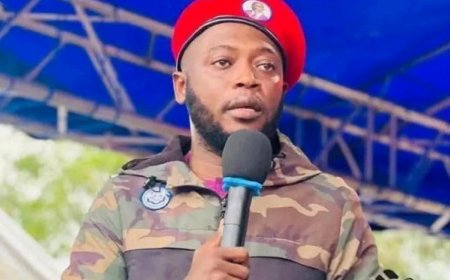
Gaye's statement could therefore intensify the political battle surrounding the case, particularly after former Montserrado County District #10 Representative Yekeh Kolubah accused the government of using Howard-Taylor's indictment as a distraction and demanded answers about who allegedly brought the US$317 million cocaine shipment into Liberia. The allegations against any individual must, however, be established through evidence and due process rather than political claims.
What's Your Reaction?
 Like
0
Like
0
 Dislike
0
Dislike
0
 Love
0
Love
0
 Funny
1
Funny
1
 Angry
0
Angry
0
 Sad
0
Sad
0
 Wow
0
Wow
0