











Local Government Ministry Official Highlights Partnership and Cultural Dialogue as Tools to Curb Harmful Traditional Practices
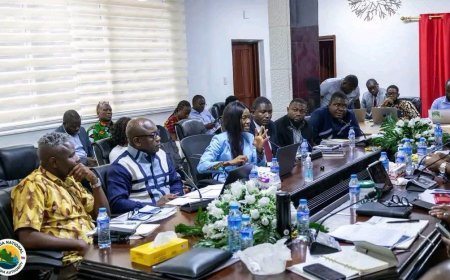
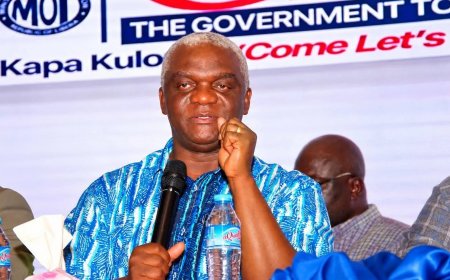
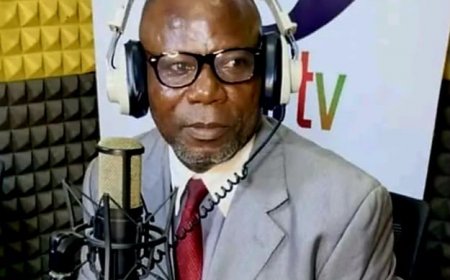
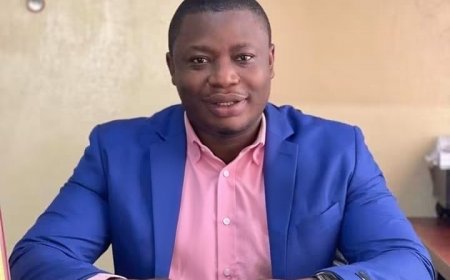
The Director of the Ministry of Local Government, William Jallah emphasized the importance of collaborative efforts and engaging with traditional leaders through cultural dialogue to eliminate traditional practices that endanger the safety of women and girls in Liberia. During a recent high-level meeting in Monrovia, Jallah commended development partners and civil society groups for their ongoing efforts in fighting practices like female genital mutilation (FGM), noting that the government cannot address the issue alone.

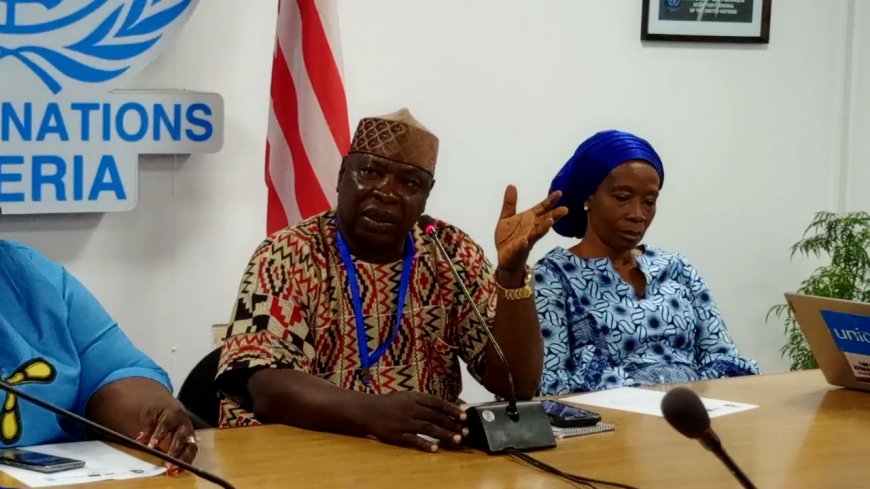
Monrovia, Liberia: The Director of the Ministry of Local Government, William Jallah emphasized the importance of collaborative efforts and engaging with traditional leaders through cultural dialogue to eliminate traditional practices that endanger the safety of women and girls in Liberia.
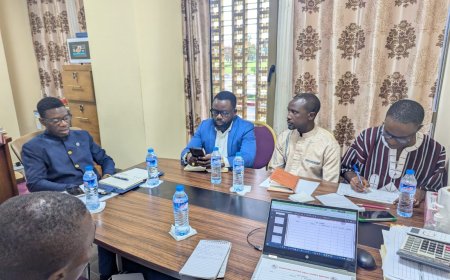
During a recent high-level meeting in Monrovia, Jallah commended development partners and civil society groups for their ongoing efforts in fighting practices like female genital mutilation (FGM), noting that the government cannot address the issue alone.
He pointed out that Liberia is a deeply cultural society, where longstanding traditions influence daily life. However, the Local Government Ministry official stressed the need to distinguish between positive cultural values and harmful practices that negatively affect women and girls.
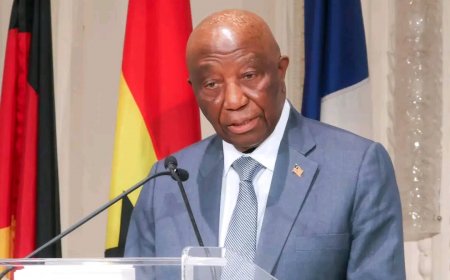
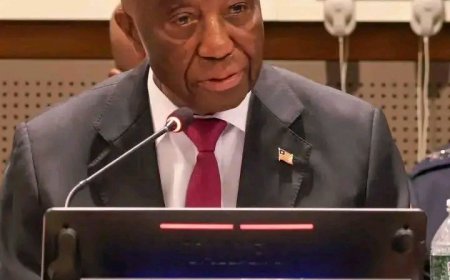
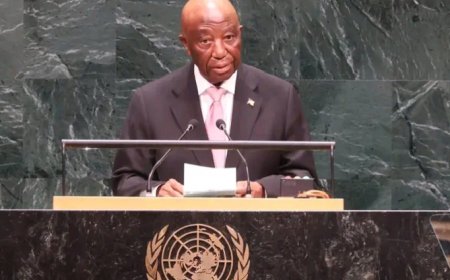
Jallah noted that, under President Joseph Boakai's leadership, the government has already committed to ending harmful practices. He highlighted the importance of promoting alternative, positive cultural practices that safeguard the rights and well-being of girls while maintaining Liberia’s cultural identity.
According to him, community involvement, especially with traditional leaders, plays a key role in driving a change. Engaging chiefs and local stakeholders, he said, is "essential to ensuring that efforts to end harmful practices are understood, accepted, and sustained at the grassroots level."
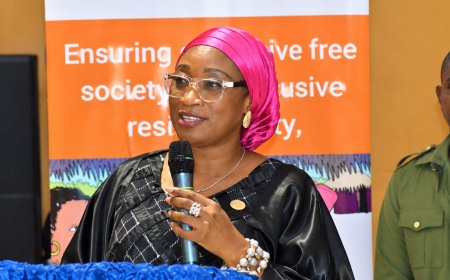
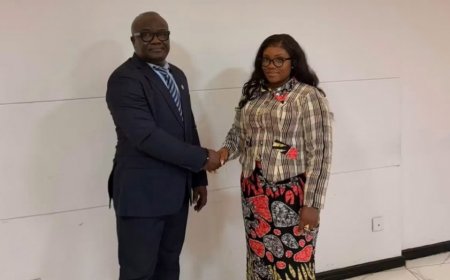
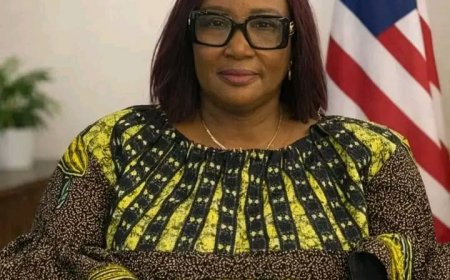
Also speaking, during the same high-level meeting to strengthen partnerships against FGM in Liberia, UN Women country representative Comfort Lamptey called for immediate, coordinated action to eliminate the practice.
“We’re not starting this process of advocacy now. you’ve done so much that has really brought the issue of FGM to the fore,” she said.
Lamptey also thanked President Joseph Boakai for his public commitment to outlaw FGM, describing it as a bold and necessary step for national development. “This is central for Liberia’s development and all of us here want to support the president’s vision,” she emphasized.
Highlighting the urgency, she warned that the window for legislative action is limited. “If we are not able to pass the FGM law this year, by next year people’s attention spans will go elsewhere into elections,” she cautioned, stressing the need for strategic and time-bound advocacy efforts.
While emphasizing the importance of passing the law, Comfort Lamptey clarified that legislation is only the first step. “Passing the bill is just the first step. Phase two is getting people to know what the bill is. Phase three is monitoring implementation,” she explained.
She also called for unity in messaging among all stakeholders, warning against mixed signals that could weaken the campaign. “All of us have to be saying the same thing. It cannot be that one institution says something different from another,” the UN Women representative said.
Lamptey further urged advocates to expand and decentralize their outreach by involving grassroots networks and credible community voices. “Let’s decentralize the advocacy, bring on rural women’s networks and women who have been through the practice to speak out,” she added.
The UN Women country representative expressed confidence that coordinated action, clear messaging, and sustained political will could enable Liberia to make meaningful progress in ending FGM and safeguarding the rights of women and girls.
What's Your Reaction?
 Like
0
Like
0
 Dislike
0
Dislike
0
 Love
0
Love
0
 Funny
0
Funny
0
 Angry
0
Angry
0
 Sad
0
Sad
0
 Wow
0
Wow
0