































"We Have a Full-Blown Crisis”: LMHRA Alarms Over Increasing Number of Unregulated Medical Drug Importers

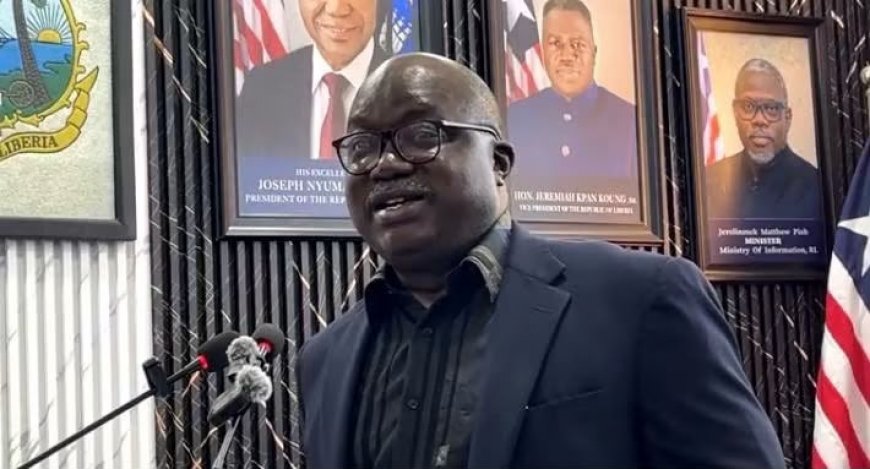
MONROVIA – The Liberia Medicines and Health Products Regulatory Authority (LMHRA) says it is taking decisive steps to clean up the country’s pharmaceutical sector, warning that the growing number of medicine importers has become a major public health concern.
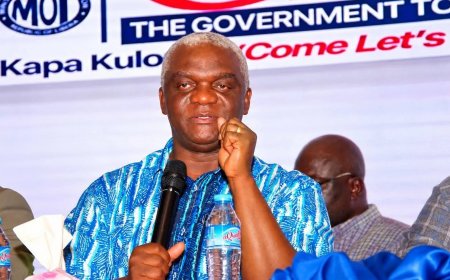
Speaking at the Ministry of Information’s regular press briefing, LMHRA Managing Director Dr. L. Luke Bawo said Liberia currently has 118 active pharmaceutical importers serving a population of about 5.5 million people—a figure he believes is far too high for the country’s size and regulatory capacity.
“We have a full-blown crisis on our hands, one that we inherited,” Dr. Bawo said. “The number of pharmaceutical importers has grown to a level that makes effective regulation extremely difficult and creates room for counterfeit and substandard medicines to enter the market.”
He said the issue is not a shortage of medicines but the sheer number of businesses bringing drugs into the country, making it increasingly challenging for regulators to monitor the quality, safety, and movement of pharmaceutical products.
To regain control of the sector, the LMHRA is rolling out several new measures aimed at tightening oversight and improving accountability.
Among the changes is a new requirement that companies applying for medicine import licenses must maintain a minimum bank account balance of US$250,000. According to Dr. Bawo, the financial requirement is intended to reduce the number of small, independent importers and ensure that only qualified and financially stable businesses operate in the sector.
“This measure will significantly reduce the n
umber of importers and make the supply chain easier to monitor,” he said.
The authority is also introducing a mandatory QR code system that will allow medicines to be traced from importation to the marketplace. Every legally imported medicine will carry a QR code, making it easier for regulators and consumers to verify its authenticity. Importers will be held responsible for any products found on the market without the required identification.
In another major move, the LMHRA says it will intensify its crackdown on medicines sold through unauthorized street vendors, particularly those displayed in plastic buckets and other informal settings. The agency believes such products often bypass quality checks and may pose serious health risks to consumers.
Dr. Bawo said inspection teams will be deployed across all 15 counties, while LMHRA officers will be stationed at Liberia’s ports of entry to strengthen collaboration with customs and immigration officials in monitoring pharmaceutical imports.
He stressed that the new regulations are not designed to make medicines harder to access but to ensure that every product reaching Liberian patients is safe, effective, and properly regulated.
“Our goal is not to stop legitimate businesses from operating,” he said. “Our goal is to make sure that every medicine entering Liberia is safe, effective, and can be traced back to a responsible importer.”
Dr. Bawo also urged the public to buy medicines only from licensed pharmacies and accredited health facilities, warning that purchasing drugs from unauthorized sellers increases the risk of receiving counterfeit or poorly stored products.
The reforms come as Liberia, like many countries in the region, continues efforts to strengthen medicine regulation and protect citizens from falsified and
substandard drugs. Health experts have repeatedly warned that counterfeit medicines can lead to treatment failure, antimicrobial resistance, and preventable deaths.
“This is about protecting the lives of our people,” Dr. Bawo said. “We cannot continue to allow an unregulated pharmaceutical market to put the health of Liberians at risk.”
What's Your Reaction?
 Like
0
Like
0
 Dislike
0
Dislike
0
 Love
0
Love
0
 Funny
0
Funny
0
 Angry
0
Angry
0
 Sad
0
Sad
0
 Wow
0
Wow
0