








Grieved in Silence: A Tale of How a 14-Year-Old Minor Suffered Sexual Abuse
At just 14 years old, Blessing Yango (pseudonym) became trapped in her own home, a place that should have been a safe area for her. Her stepfather, a clergyman, sexually abused her and convinced her mother to keep mute on the matter. This incident, which occurred months ago, and was captured by a K-NEWS reporter, reflects a stark reminder of the rising crisis of sexual and gender-based violence (SGBV) in Liberia.

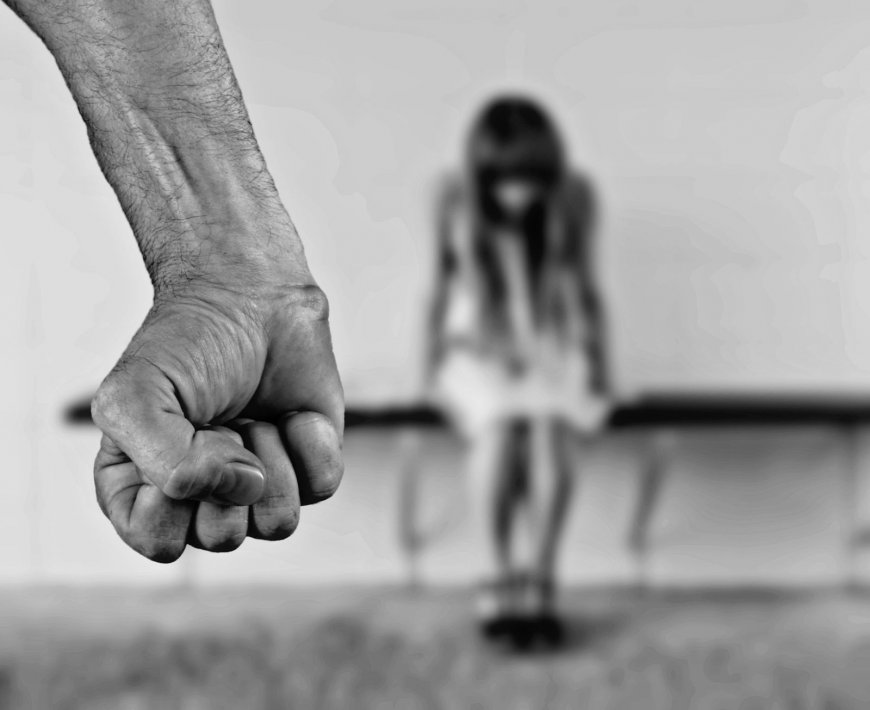
Monrovia, Liberia: At just 14 years old, Blessing Yango (pseudonym) became trapped in her own home, a place that should have been a safe area for her. Her stepfather, a clergyman, sexually abused her and convinced her mother to keep mute on the matter.
This incident, which occurred months ago, and was captured by a K-NEWS reporter, reflects a stark reminder of the rising crisis of sexual and gender-based violence (SGBV) in Liberia.
Blessing’s harrowing experience is one of many in Liberia. “He would ask my mother to leave the bed at night, then he would force himself on me while she listened from outside. I felt trapped and powerless,” she recalled.
After enduring domestic abuse for years, Blessing eventually confided in her aunt, who helped her escape. However, when she reported the case, both her stepfather and mother were arrested but later released under what some investigators termed as unclear circumstances.
Survivors of SGBV often endure emotional trauma, economic hardships, and social stigma. Many lack the financial means to pursue legal action or seek medical care.
Gender-based violence continues to devastate lives and undermine the fundamental rights of women, girls, and vulnerable individuals.
Despite ongoing efforts to combat the crisis, recent statistics paint a grim picture. The Ministry of Gender, Children, and Social Protection (MoGCSP) reported a staggering 2,759 rape cases between January and October 2024, with Montserrado County accounting for 1,902 cases — about 68.7 percent.
These figures underscore the pressing need for robust policies, effective community engagement, and survivor-centered interventions.
As the crisis escalates, gender advocates and government officials are raising their voices and calling for urgent action. Among them is Tenneh S. Johnson, the Gender-Based Violence Coordinator at the Ministry of Justice, who acknowledges that while awareness has improved, many survivors still struggle to access justice and support.
“More people are aware of GBV, which is why we see more cases being reported. However, we still face challenges, especially in rural areas where many incidents go unreported,” Johnson said in an exclusive interview.
Liberia has also seen a surge in intimate partner violence, child abuse, and other forms of SGBV, with domestic violence now ranking as the second most common form of abuse after rape.
Many advocates continue to demand: Stronger enforcement of GBV laws and harsher penalties for perpetrators; Increased funding for survivor support services, including safe homes, free medical care, and legal aid; GBV education in schools to help children recognize and report abuse among others.
Liberia stands at a critical juncture. Without urgent intervention, gender analysts say thousands more may likely suffer in silence. Calls are mounting that it is time for the government, civil society, and communities to unite in the fight against GBV, ensuring justice and support for all survivors.
What's Your Reaction?
 Like
1
Like
1
 Dislike
0
Dislike
0
 Love
0
Love
0
 Funny
0
Funny
0
 Angry
0
Angry
0
 Sad
0
Sad
0
 Wow
0
Wow
0