
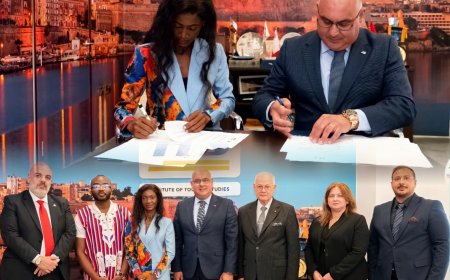


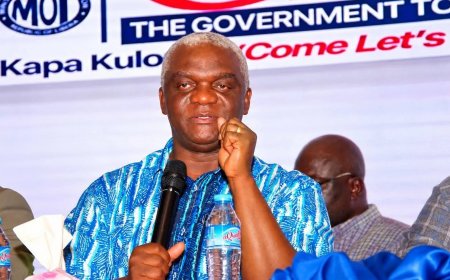
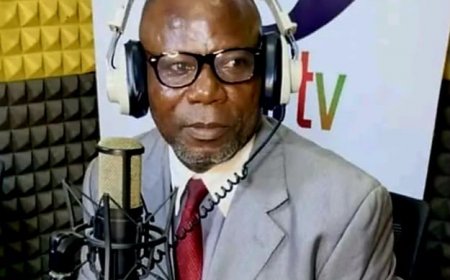
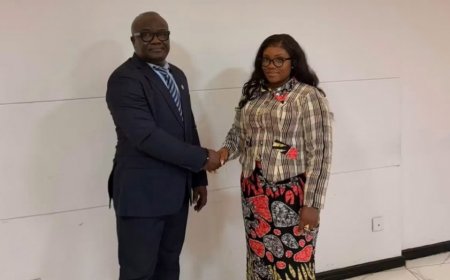







Senator Konneh Pushes Senate Action Against CSA Boss Over “Political Conduct” at NIMBO Launch
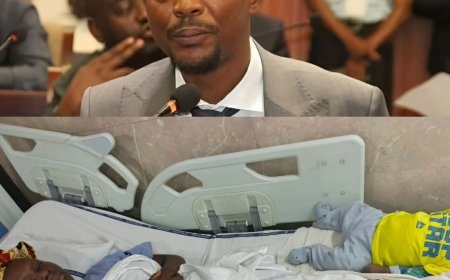
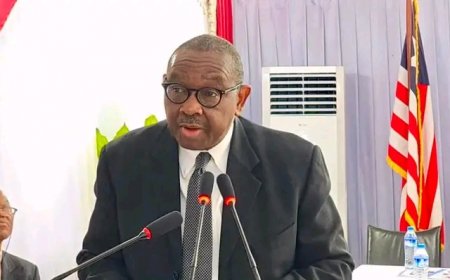
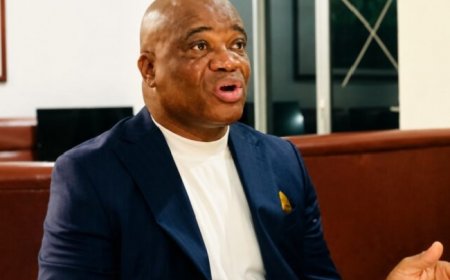
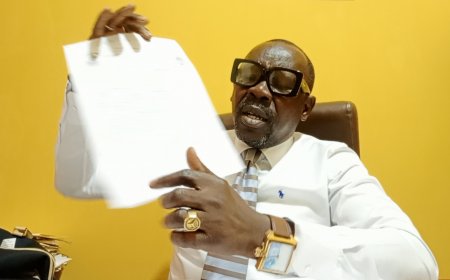
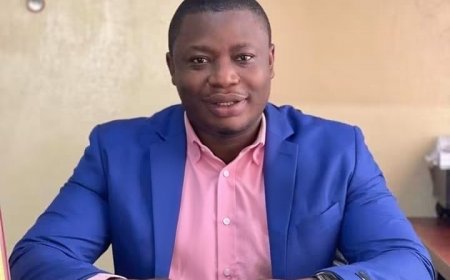
Monrovia, Liberia: A political storm is building around the head of Liberia’s Civil Service Agency after Gbarpolu County Senator Amara Konneh vowed to push for the appearance of CSA Director General Josiah Joekai before the Liberian Senate over what he calls “open partisan misconduct.”
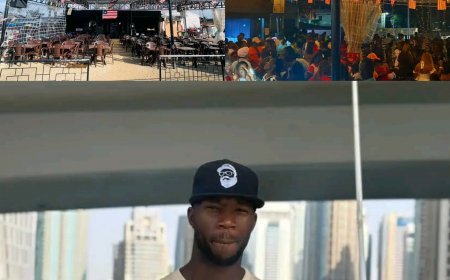
The controversy exploded following the launch of the National Independent Movement for Boakai (NIMBO), a political movement linked to support for President Joseph Boakai ahead of the 2029 elections.
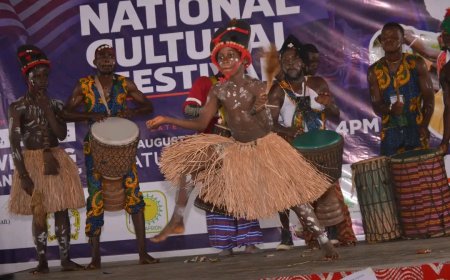
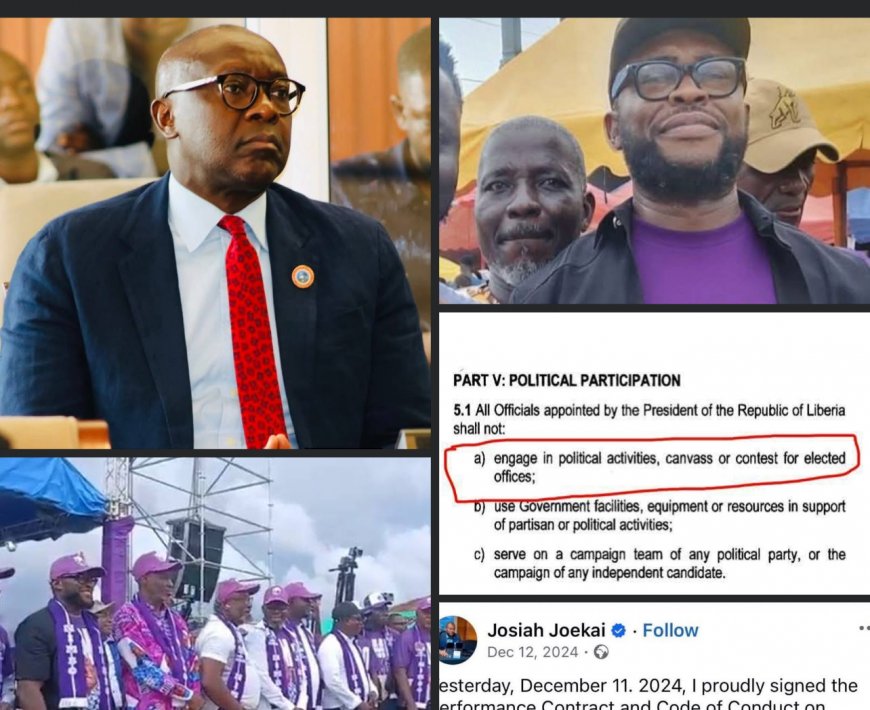
At the center of the backlash were images and videos showing Joekai in NIMBO campaign attire, singing, dancing, and chanting political slogans alongside supporters at the event associated with political heavyweight Thomas Fallah.
But Senator Konneh says this is not entertainment. He says it is a direct violation of Liberia’s Code of Conduct.
According to the senator, Joekai’s actions shattered the neutrality expected from a top government official appointed to serve the Liberian people, not a political movement. Konneh argues that the law clearly forbids presidential appointees from engaging in partisan political activities while occupying public office.
The senator says the CSA Boss cannot sign performance and ethical commitments under the Boakai administration and then publicly join what appears to be an early political campaign structure.
“What message are we sending to ordinary civil servants?” a source close to the debate questioned as public reactions intensified online.
Joekai later attempted to defend himself through a Facebook response, but that explanation appears to have only fueled the controversy further, with critics insisting the issue is no longer about perception but about accountability and respect for the law.
Now, Senator Konneh says he is preparing a formal move to have the CSA Director General summoned before the Senate to answer questions over his conduct.
The growing dispute is quickly becoming more than just a political argument. For many Liberians, it is turning into a serious test of whether the country’s Code of Conduct applies equally to everyone in government or only to political opponents and ordinary public workers.
What's Your Reaction?
 Like
0
Like
0
 Dislike
0
Dislike
0
 Love
0
Love
0
 Funny
0
Funny
0
 Angry
0
Angry
0
 Sad
0
Sad
0
 Wow
0
Wow
0