




























Liberia Targets Faster Trade, Lower Costs with Launch of National Time Release Study Report

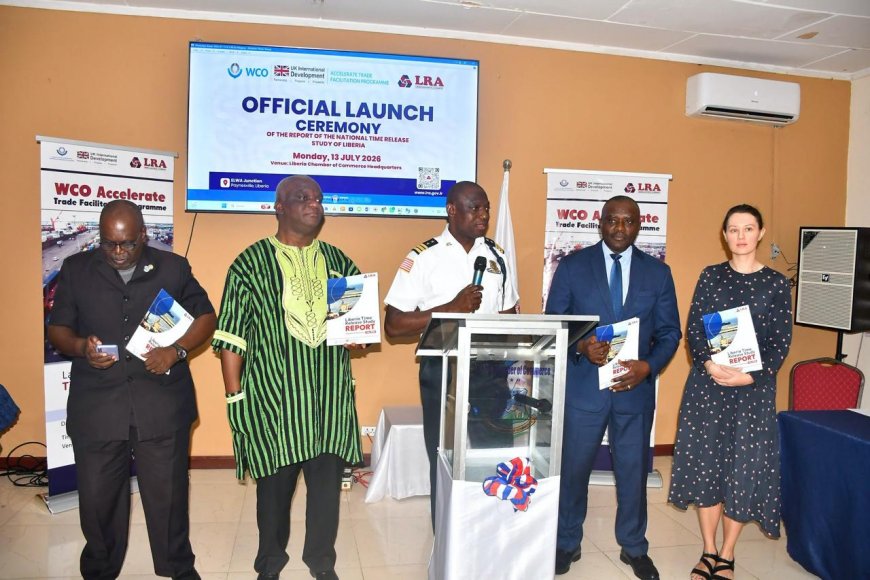
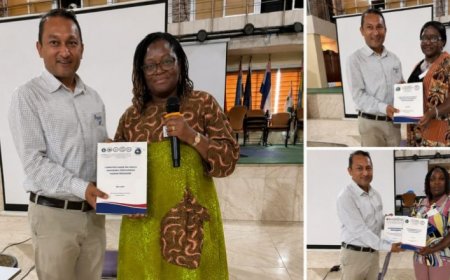
MONROVIA, Liberia – Liberia has taken a significant step toward modernizing its customs system and improving its trade environment with the official launch of the National Time Release Study (TRS) Report, a comprehensive assessment designed to reduce cargo clearance delays, lower trade costs, and strengthen the country's competitiveness in regional and international markets.
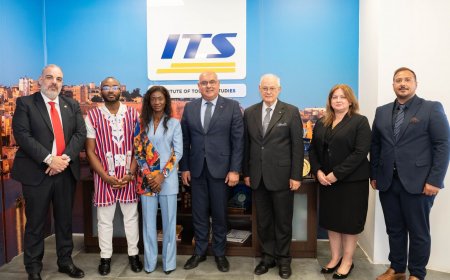
The report was launched by the Liberia Revenue Authority (LRA) in partnership with the Ministry of Commerce and Industry, the World Customs Organization (WCO), His Majesty's Revenue and Customs (HMRC) of the United Kingdom through the Accelerate Trade Facilitation Programme, and other public and private sector stakeholders.
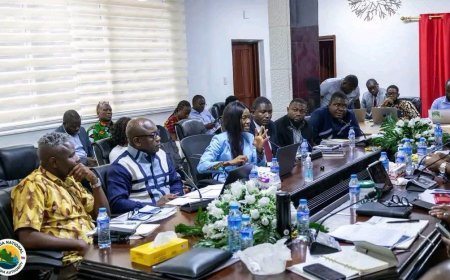
The launch ceremony, held at the Liberia Chamber of Commerce headquarters in Monrovia, brought together senior government officials, development partners, members of the diplomatic corps, customs brokers, representatives of APM Terminals Liberia, business leaders, and stakeholders involved in customs modernization and trade facilitation.
The Time Release Study is an internationally recognized tool developed by the World Customs Organization to measure the average time required for the release of imported goods. It assesses customs and border clearance procedures, identifies bottlenecks, and provides recommendations aimed at improving cargo movement, reducing delays, and enhancing transparency and efficiency.
According to the report, which reviewed 670 import declarations processed through the Freeport of Monrovia, cargo clearance in Liberia currently takes an average of 12 days, 19 hours, and 42 minutes. The study identified manual procedures, fragmented institutional coordination, and paper-based payment verification systems as major contributors to delays.
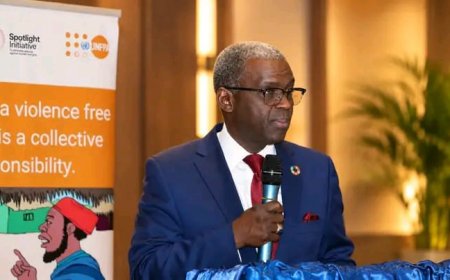
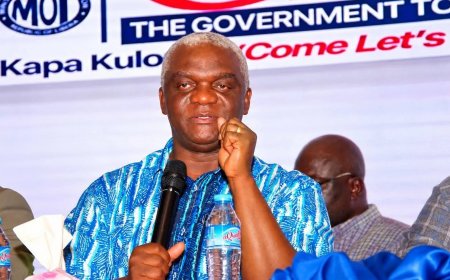
Speaking at the launch, Liberia Revenue Authority Commissioner General James Dorbor Jallah described the report as a roadmap for reform and a critical tool for improving customs efficiency and trade facilitation.
"The findings of this study provide a clear understanding of the challenges affecting cargo clearance and offer practical recommendations to improve customs operations, transparency, and service delivery," Jallah said.
He highlighted several modernization initiatives already underway, including the establishment of a modern destination inspection facility, upgrades to the ASYCUDA World customs management platform, integrated electronic payment systems, enhanced interoperability with the Liberia Integrated Tax Administration System (LITAS), and the implementation of a National Single Window.
According to Jallah, these reforms are intended to create a more predictable and efficient trading environment capable of attracting investment and supporting economic growth.
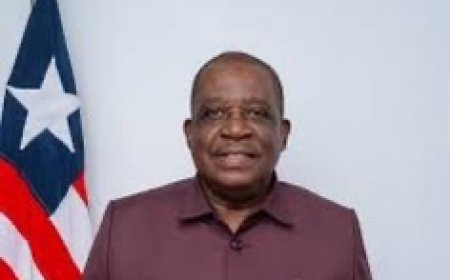
Representing the Ministry of Commerce and Industry, Deputy Minister for Commerce and Trade Wilmot A. Reevesdescribed the Time Release Study as more than a technical exercise, emphasizing that it provides credible evidence needed to address delays and inefficiencies in Liberia's trading system.
"The findings of the study will guide policy direction and institutional reforms that are essential for achieving sustainable economic transformation in Liberia," Reeves said.
Speaking on behalf of the Ministry, which chairs the National Trade Facilitation Committee, Reeves reaffirmed the commitment of the Government of Liberia under the leadership of President Joseph Numa Boakai Sr. to implementing the study's recommendations.
He outlined several reforms already underway, including the development of a Trade Information Portal to improve transparency and access to information, reforms surrounding the National Electronic Single Window, the digitalization and automation of import and export permits, and the introduction of online business registration services.
According to Reeves, these initiatives will reduce inspection and cargo clearance times, improve transparency and predictability, lower business costs, and strengthen Liberia's competitiveness under the African Continental Free Trade Area, the ECOWAS Trade Liberalization Scheme, and the World Trade Organization Trade Facilitation Agreement.
"Trade facilitation is no longer optional. It is a strategic imperative," Reeves stated. "Liberia is poised to become a competitive destination for trade, investment, industrialization, and job creation."
The United Kingdom also reaffirmed its support for Liberia's trade facilitation agenda.
Speaking on behalf of the British Embassy in Monrovia, Deputy Head of Mission and Development Counsellor Joanna Markbreiter congratulated the Liberia Revenue Authority and its partners for completing the study.
She described the report as the most detailed assessment to date of how goods move through the Port of Monrovia and said it provides practical recommendations to address delays and improve border processes.
Markbreiter noted that the United Kingdom was proud to support the initiative through HMRC under the Accelerate Trade Facilitation Programme and praised the collaboration among government institutions, the private sector, and development partners.
"This report provides a strong foundation for targeted reforms that will reduce clearance times, lower costs to traders, and improve the overall trading environment," she said.
However, she emphasized that the launch marks the beginning rather than the end of the reform process.
"The real work begins now. This is the time to move from analysis to implementation," Markbreiter added, while reaffirming the UK's commitment to supporting Liberia's customs modernization efforts.
In a video message delivered from the World Customs Organization headquarters in Brussels, WCO Secretary General Ian Saunders congratulated Liberia on completing and launching the study.
Saunders described the Time Release Study as one of the WCO's most important performance measurement tools and said Liberia's decision to undertake the study demonstrates its commitment to evidence-based reforms.
"Through this initiative, Liberia has taken an important step toward more transparent, predictable, and efficient cross-border processes," Saunders said.
He explained that the study helps governments identify bottlenecks in cargo clearance procedures and improve trade facilitation using objective data and internationally recognized methodologies.
Saunders praised the partnership between Liberia, the WCO, and the UK-funded Accelerate Trade Facilitation Programme, noting that the organization has supported Liberia's trade facilitation efforts since 2020.
He cautioned, however, that the completion of the study does not mark the end of the process.
"The real success lies in implementing the recommendations and making tangible and sustained improvements in customs and border operations," he said.
The WCO Secretary General urged the Liberia Revenue Authority, the National Trade Facilitation Committee, government agencies, and private sector stakeholders to develop action plans, conduct regular Time Release Studies, and continuously measure progress toward reducing cargo release times.
Saunders expressed confidence that successful implementation of the recommendations would lower trade costs, increase commerce, and strengthen Liberia's economic prospects.
Also speaking at the ceremony, Nattie O. Davis, President of the Liberia Chamber of Commerce, welcomed the report and called for stronger collaboration between government institutions and the private sector to address barriers affecting trade and investment.
Davis noted that while Liberia has adopted policies and legal frameworks aimed at promoting investment and trade, significant challenges remain within the broader business ecosystem.
He stressed the need for reforms that will enable Liberian businesses to participate more actively in economic opportunities created by concessionaires and multinational corporations operating in the country.
According to Davis, the Chamber has been working with government institutions and development partners on local content initiatives designed to expand opportunities for Liberian-owned businesses and strengthen domestic supply chains.
He also highlighted efforts to establish a formal Public-Private Dialogue mechanism that would bring together senior government officials and private sector leaders on a regular basis to address economic challenges and monitor the implementation of reforms.
"The goal of reducing cargo clearance time from nearly thirteen days to a much shorter period cannot be achieved by customs authorities alone," Davis said.
He stressed that success will require the active involvement of banks, port operators, regulatory agencies, businesses, and other stakeholders throughout the trade process.
Pointing to congestion at the Freeport of Monrovia, Davis said infrastructure development, improved coordination, and long-term planning would be critical to achieving the objectives outlined in the study..
Conducted in accordance with World Customs Organization standards, the study fulfills Liberia's commitments under the World Trade Organization Trade Facilitation Agreement and provides a practical framework for reducing trade costs, improving customs performance, and enhancing the country's competitiveness.
For government officials, development partners, and the business community, the report represents not merely a diagnostic assessment, but a blueprint for action aimed at creating a faster, more transparent, and more efficient trading environment capable of supporting investment, economic growth, and job creation in Liberia.
What's Your Reaction?
 Like
0
Like
0
 Dislike
0
Dislike
0
 Love
0
Love
0
 Funny
0
Funny
0
 Angry
0
Angry
0
 Sad
0
Sad
0
 Wow
0
Wow
0