





UN Women Program Specialist Calls for Robust Actions to End FGM in Liberia
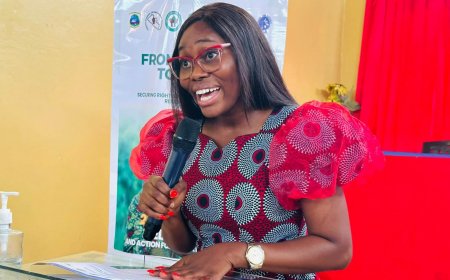
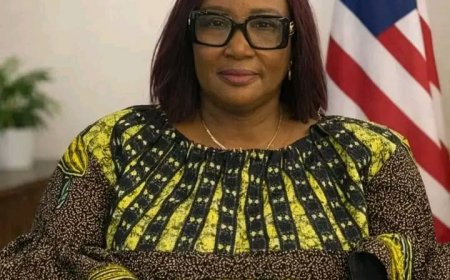
Deodata Mukazayire, Program Technical Specialist on Ending Violence Against Women (EVAW) at UN Women, has emphasized the need to criminalize Female Genital Mutilation (FGM) as a crucial step toward ending the practice in Liberia. Madam Mukazayire stated that Liberia must move beyond the traditional temporary bans on FGM. During a recent high-level stakeholder dialogue in Monrovia, the UN Program Specialist called for coordinated efforts and partnerships to eliminate FGM.

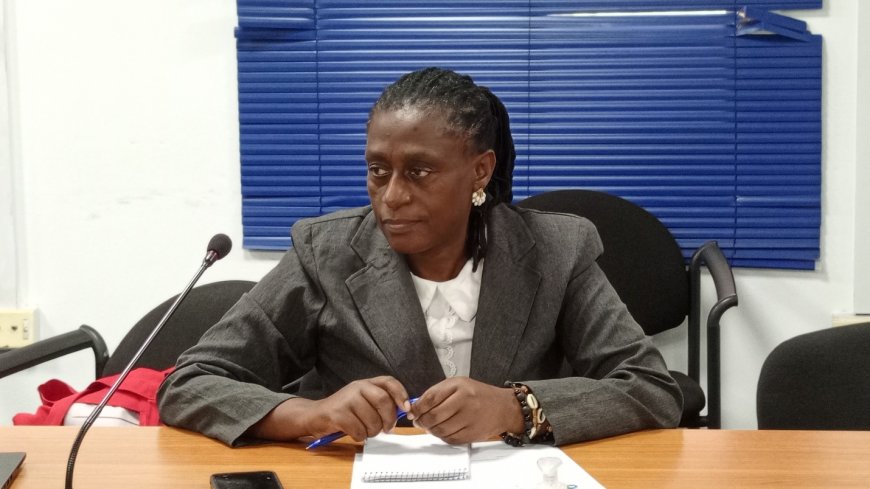
Monrovia, Liberia: Deodata Mukazayire, Program Technical Specialist on Ending Violence Against Women (EVAW) at UN Women, has emphasized the need to criminalize Female Genital Mutilation (FGM) as a crucial step toward ending the practice in Liberia.
Madam Mukazayire stated that Liberia must move beyond the traditional temporary bans on FGM. During a recent high-level stakeholder dialogue in Monrovia, the UN Program Specialist called for coordinated efforts and partnerships to eliminate FGM.
She stressed that government agencies, civil society organizations, community members, and traditional leaders must work together to implement proposed laws and raise awareness about the effects of the practice.
According to Mukazayire, Female Genital Mutilation is a harmful traditional practice that stigmatizes women and girls. She highlighted that advocacy alone cannot stop FGM, saying it must be backed by laws.
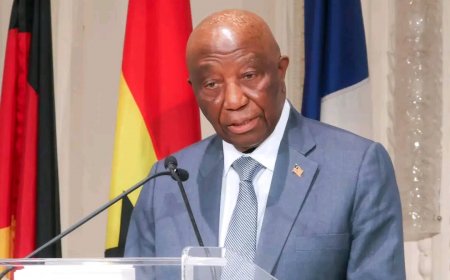
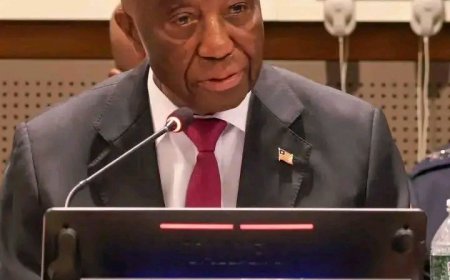
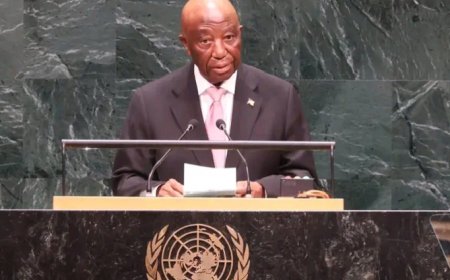
Her comments come as the Legislature reviews a bill from President Joseph Boakai titled: "An Act to Ban Harmful Cultural Practices in Liberia" (or Women and Girls Protection Act of 2025).
The proposed legislation aims to permanently ban FGM and child marriage, moving beyond previous temporary bans to align with the president’s UN commitment to safeguard the rights and health of women and children.
The UN Women Specialist pointed out that a significant gap exists between commitments made and their implementation. She said, “We have been talking about FGM for a long time,” and emphasized that "while declarations are important, they often fall short when it comes to actual change on the ground."
She explained, “If there is no law, it becomes very difficult to hold people accountable or to support those who want to take action,” highlighting the importance of legal support in the fight against FGM.
Madam Mukazayire also reaffirmed UN agencies’ dedication to assisting Liberia’s efforts to eradicate FGM, while calling for strong collaboration.
Her remarks reflected on past efforts and issued a forward-looking call to action for all stakeholders to move beyond discussion into decisive, unified implementation.
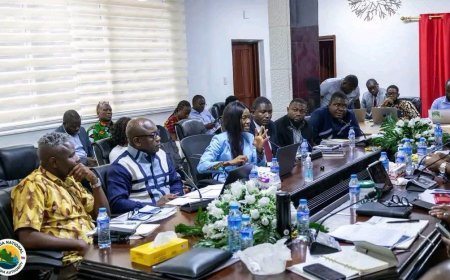
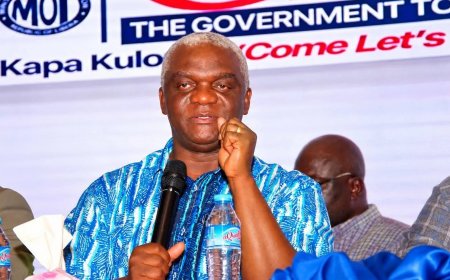
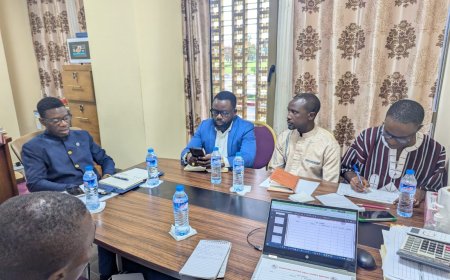
The one-day partner meeting was organized by the National Coalition Against Harmful Practices at the One UN House, bringing together local government officials formerly with the Ministry of Internal Affairs, traditional leaders, civil society groups, campaigners, the United Nations office in Liberia, and others.
What's Your Reaction?
 Like
0
Like
0
 Dislike
0
Dislike
0
 Love
0
Love
0
 Funny
0
Funny
0
 Angry
0
Angry
0
 Sad
0
Sad
0
 Wow
0
Wow
0